Luxury that long last
PERFUMES
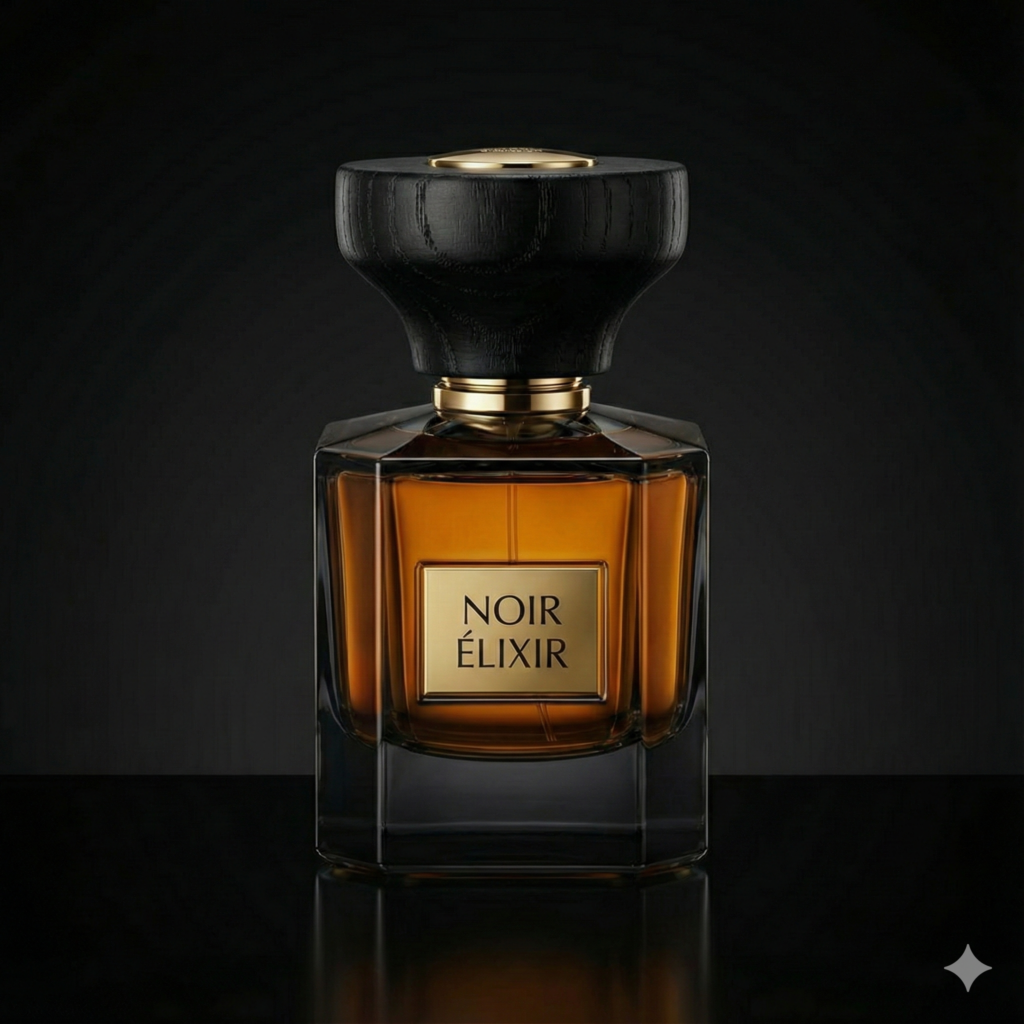
Noir Elixir No. 1: Timeless luxury defined by rare agarwood and sophisticated velvet spices.
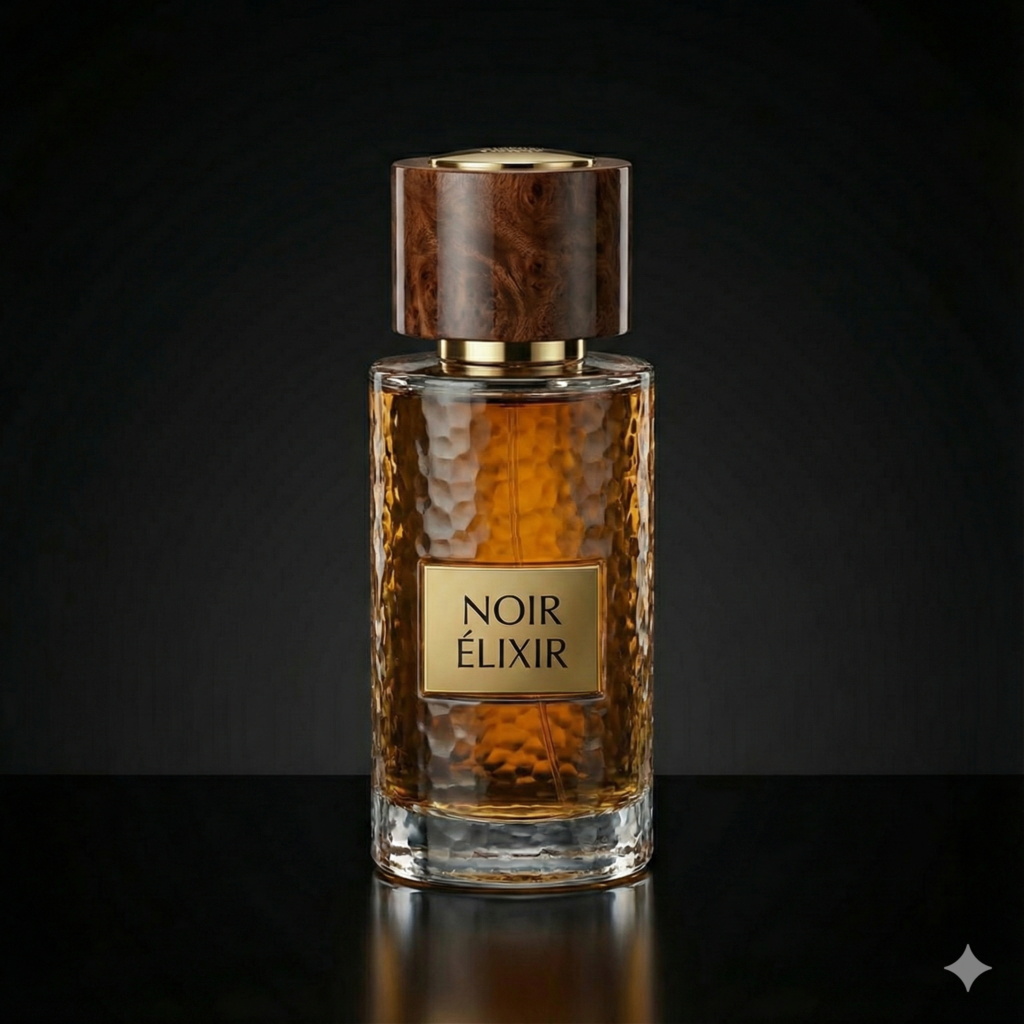
Noir Elixir 07: Sleek dark citrus and black amber for quiet, modern confidence.
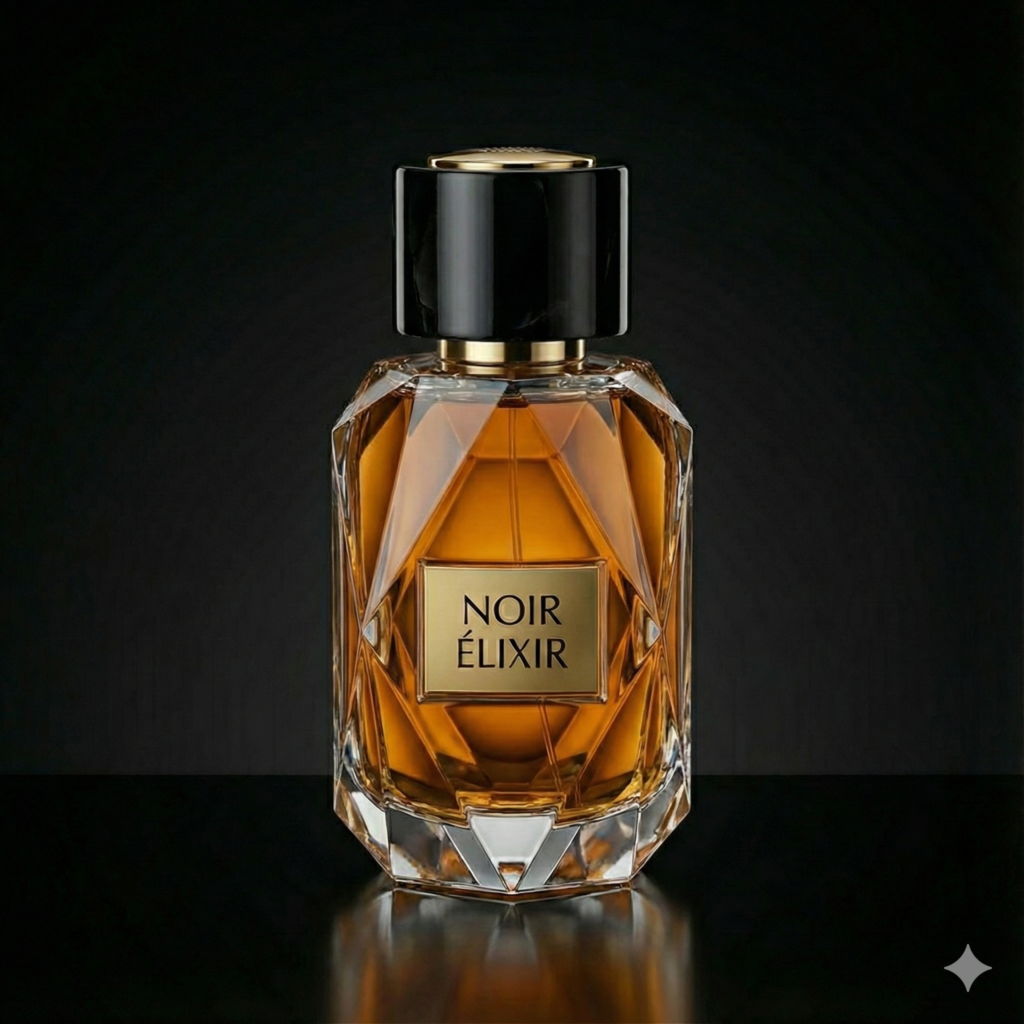
Noir Elixir No. 13: Provocative smoky incense and leather create a hauntingly mysterious trail.
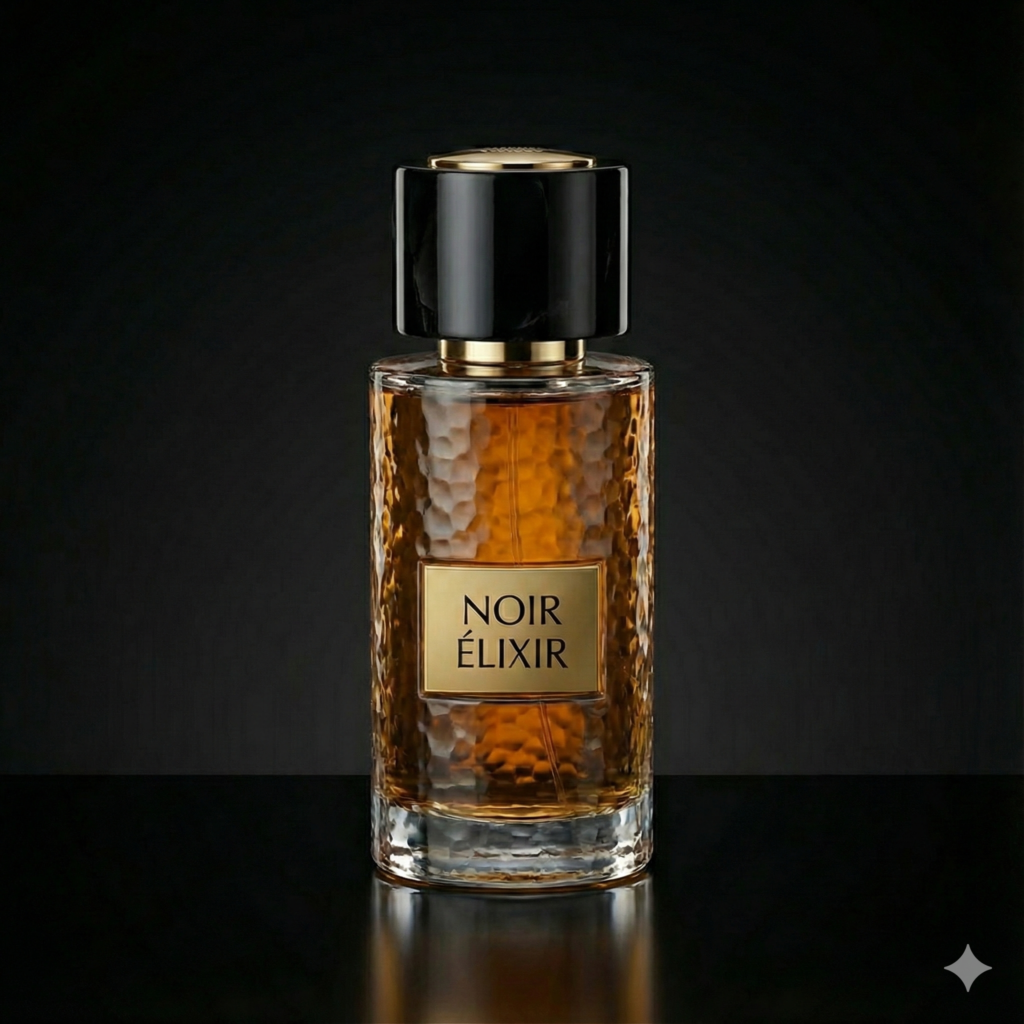
Noir Elixir 101: Powerful, raw sandalwood and musk essence for the true minimalist.
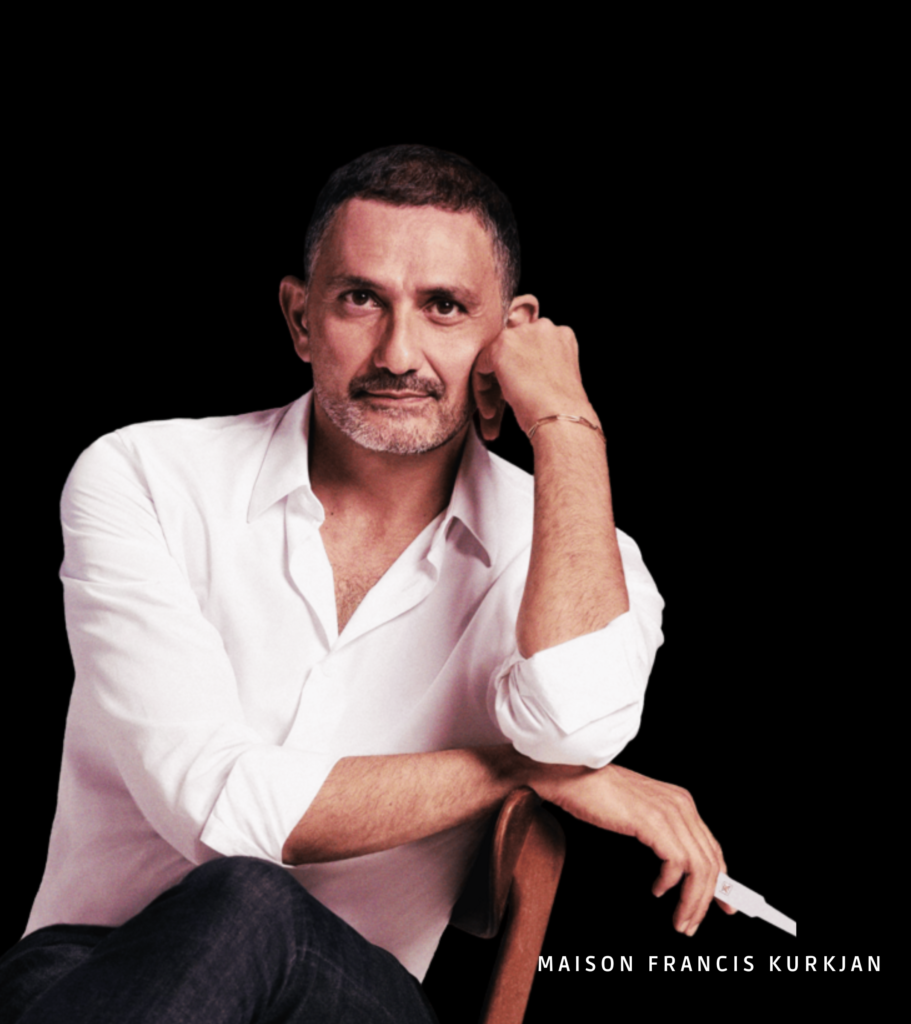
MAISON FRANCIS KURKDJIAN
Maison Francis Kurkdjian is a Parisian luxury fragrance house founded in 2009 by master perfumer Francis Kurkdjian and co-founder Marc Chaya. Renowned for its refined craftsmanship and contemporary elegance, the brand bridges classical French perfumery with modern artistic expression. Each creation is designed as a fragrance wardrobe—timeless, precise, and emotionally resonant—crafted with exceptional raw materials and meticulous attention to detail.
Francis Kurkdjian, one of the most influential perfumers of his generation, brings a unique vision that balances creativity, technical mastery, and olfactory clarity. Iconic fragrances such as Baccarat Rouge 540 exemplify the house’s signature style: bold yet sophisticated, memorable yet versatile. Rooted in Paris and respected worldwide, Maison Francis Kurkdjian represents understated luxury, individuality, and the art of scent as a personal signature.
About
Perfumes are a refined blend of aromatic compounds, essential oils, and solvents designed to create a lasting and memorable scent. More than a fragrance, perfume is an expression of personality, mood, and identity. Across cultures and centuries, perfumes have symbolized elegance, confidence, and individuality.
A perfume is structured in three layers of notes:
Top Notes – The first impression; fresh and light aromas such as citrus or herbs.
Middle (Heart) Notes – The soul of the fragrance; floral, spicy, or fruity accords.
Base Notes – Long-lasting depth; woody, musky, amber, or gourmand tones.
Perfumes are categorized by concentration:
Parfum – Highest concentration, longest-lasting.
Eau de Parfum (EDP) – Strong, long-lasting, ideal for daily luxury.
Eau de Toilette (EDT) – Lighter, fresher, suitable for everyday wear.
Eau de Cologne – Refreshing and subtle.
Modern perfumery combines art and science, blending natural ingredients with advanced aroma molecules to ensure performance, consistency, and safety. A well-crafted perfume enhances presence, leaves a signature trail, and creates emotional connections.
In today’s lifestyle-driven market, perfumes are not just accessories—they are personal brands in a bottle, defining how people are remembered.
Perfume History
Perfume has a history spanning over 5,000 years, beginning in ancient civilizations where fragrances were used in religious rituals, medicine, and personal adornment. The word perfume comes from the Latin per fumum, meaning “through smoke.” Egyptians, Greeks, and Romans refined perfumery into a symbol of luxury and hygiene. Major advancements occurred during the Islamic Golden Age with the development of distillation techniques. Perfume later spread to Europe, flourishing in Renaissance France. With the introduction of synthetic ingredients, modern perfumery evolved, becoming a global industry and a timeless expression of identity and emotion.